

Table of Contents
- Are Outlet Store Products Brand New? The Direct Answer
- Why Outlet Stores Sell at Discounted Prices
- Are Outlet Products Made for Outlet Stores?
- How to Spot Quality Factory Seconds
- Refurbished vs New Products at an Outlet
- Outlet Store Warranty and Return Policy: What to Check
- Conclusion: Shop Outlet Store Products with Confidence
- Frequently Asked Questions
Last Updated: October 15, 2026
Are Outlet Store Products Brand New? The Direct Answer
Most outlet store products are brand new, but "new" at an outlet does not always mean the same thing as "new" at a full-price store. Some items arrive straight from the factory in sealed boxes. Others are past-season stock, overstock, or items a manufacturer refurbished to like-new condition. At Home Essentials Outlet, we sell a mix of all three, and we label every item clearly so you know exactly what you are buying.
Here is the short answer: an outlet product can be genuinely new, factory-refurbished, or a display unit, depending on the item. The label on the box tells you which.
What "Brand New" Actually Means at an Outlet
Brand new means an item has never been used, opened, or returned by another customer. It arrives in its original packaging with all parts and manuals.
That definition matters because outlet shoppers often assume "discounted" equals "used." It does not. A jacket from last winter's collection is still brand new. It simply did not sell at full price before the season ended.
So the real question is not whether outlet items are new. It is what kind of new you are getting.
Why Outlet Stores Sell at Discounted Prices
Outlet stores sell at lower prices for several reasons, and almost none of them involve damaged goods. The discount usually comes from timing, volume, or a small cosmetic flaw.
The most common sources of outlet inventory:
- Overstock: the manufacturer made more units than regular stores ordered
- Past-season stock: items from a previous season that no longer fit current displays
- Factory seconds: products with minor cosmetic flaws that do not affect how they work
- Refurbished returns: items inspected, tested, and restored to like-new condition
Each of these is a legitimate reason for a lower price. None of them means the product is worn out.
Overstock, Past-Season Stock, and Clearance
Overstock happens when a brand produces more than retailers can sell. Rather than store it, the brand moves it to an outlet.
Past-season stock works the same way. A blender in last year's color is still the same blender. It just is not on the flagship store shelf anymore.
Clearance is the catch-all. It covers anything a store wants gone to make room for new inventory.
Are Outlet Products Made for Outlet Stores?
Some outlet products are made specifically for outlets, and this is the detail most shoppers miss. Certain brands produce a separate, lower-cost line that only ever sells through outlet channels. These made-for-outlet items are not fake or defective. They are built to a different spec, often with fewer features, simpler materials, or a shorter feature list, to hit a lower price point.
The three inventory types shoppers most often confuse are past-season stock, overstock, and made-for-outlet goods. They look similar on a rack but behave differently on price, quality, and resale value:
- Past-season stock: the same item that sold at full price last year, now discounted because the season ended. Same materials, same construction, same model number as the mainline version.
- Overstock: the same item as the mainline version, discounted because the brand or retailer ordered too many. Identical spec, identical model number.
- Made-for-outlet: a different item built for the outlet channel. Lower spec, different model number, and often a slightly different style name. The discount is real, but so is the difference in materials and features.
A Repeatable Value Check Before You Buy
Run this check on any outlet item where the price looks too good to be true. It takes five minutes and tells you whether you are getting a past-season bargain or a lower-spec substitute.
- Find the model or style number. It is usually on the tag, the box, or the inside label. Write it down.
- Search that number on the brand's main website. If it appears, you are looking at past-season or overstock stock. If it does not appear anywhere on the main site, it was likely made for the outlet channel.
- Compare the feature list, not the photo. Count the settings, the materials, the included accessories, and the warranty length. A made-for-outlet blender may have two speeds instead of five, or a plastic housing instead of metal.
- Compare against the current full-price equivalent. A made-for-outlet item at 40% off is not a deal if the mainline version is 25% off and lasts twice as long.
- Check the warranty terms. Made-for-outlet goods sometimes carry a shorter warranty than the mainline version, even when the brand name is identical.
Category-Level Differences
The made-for-outlet pattern shows up differently depending on what you are buying:
- Clothing and footwear: made-for-outlet lines often use lighter fabrics, simpler stitching, or a different sole compound. The fit can also differ slightly from the mainline version, so try before you buy.
- Accessories: bags and small leather goods may use a different lining or hardware finish. The exterior can look identical while the interior tells the real story.
- Home goods: cookware and small appliances may drop a feature, such as a timer or a second bowl, to hit the outlet price. Check the box contents against the mainline listing.
- Electronics: made-for-outlet models sometimes carry a different model number with fewer ports or a smaller battery. The spec sheet is the giveaway, not the brand name.
If the model number does not appear anywhere on the brand's regular site, it was likely made for the outlet channel. That is not a reason to walk away. It is a reason to compare the spec sheet against the mainline version before you decide the discount is worth it.
Competition Bureau guidance on accurate product claims
How to Spot Quality Factory Seconds
A factory second is a brand new item with a minor cosmetic flaw, such as a scuff on a housing or a crooked stitch. The flaw is visual, not functional, which is why the price drops.
DYSON OFFICIAL OUTLET - Corrale Hair Straightener - Refurbished (EXCELLENT) →
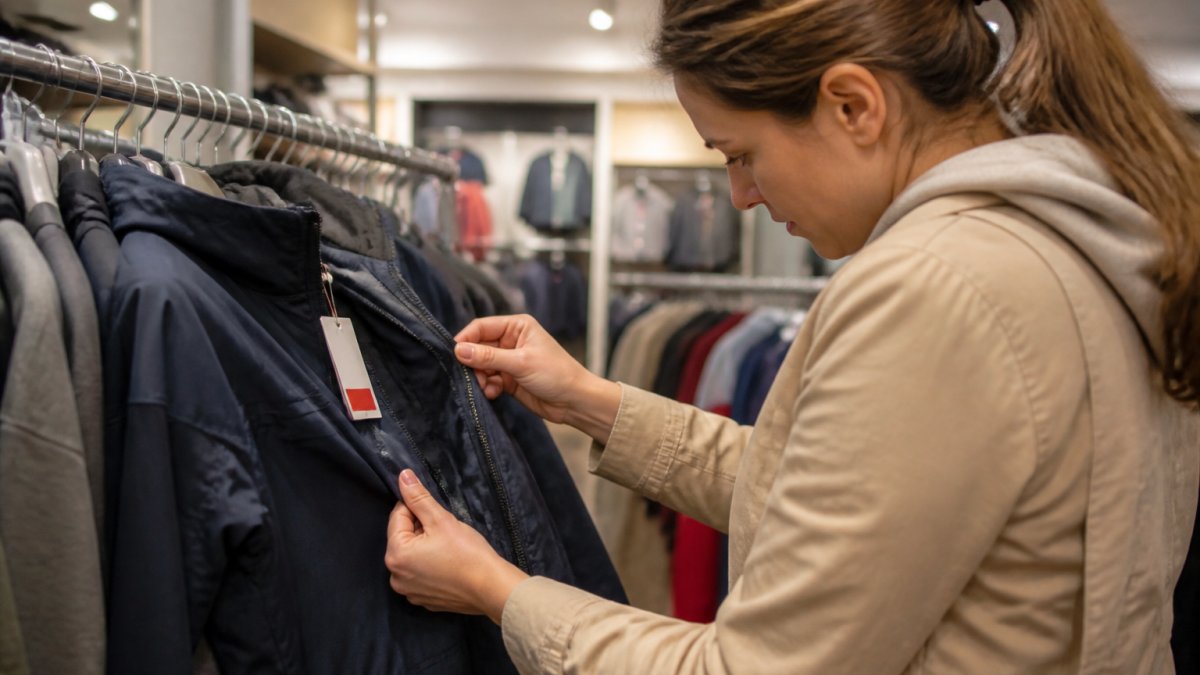
Spotting a good factory second comes down to inspection. You are checking for cosmetic issues that you can live with, and ruling out anything that hints at a deeper problem.
A Repeatable Condition Check Before You Buy
Run this check on any outlet item before you pay. It takes two minutes and saves a lot of regret.
- Inspect the surface. Look for scratches, dents, or discoloration on the housing or fabric.
- Test the moving parts. Open, close, plug in, or power on anything with a switch, hinge, or cord.
- Check the seals and packaging. A factory-sealed box is a strong sign the item is untouched.
- Confirm the accessories. Make sure every part listed on the box is actually inside.
- Read the label. "Refurbished," "open box," and "new" mean different things, and the label is the truth.
For appliances and tools, plug them in if the store allows a demo. Hearing a motor run smoothly tells you more than any tag.
Refurbished vs New Products at an Outlet
Refurbished and new are not the same thing, and the difference matters for both price and warranty. A refurbished item was returned, then inspected and restored by the manufacturer or a certified partner.
The key phrase is "restored to like-new condition." A quality refurbisher tests the unit and replaces worn parts. The result works like new, even if it shows minor cosmetic wear.
Here is how the three main categories compare:
| Category | Condition | Typical Discount | Warranty |
|---|---|---|---|
| Brand new | Never used, sealed | Smallest | Full manufacturer |
| Factory second | New, minor cosmetic flaw | Moderate | Full or limited |
| Refurbished | Tested, restored, like-new | Largest | Refurbisher-backed |
At Home Essentials Outlet, our refurbished items carry a Home Essentials Warranty on factory-serviced products, so you are covered if something goes wrong. For example, our Dyson Corrale hair straightener, refurbished to excellent condition, comes with a one-year warranty at $329.99. Each refurbished unit passes a detailed inspection and hundreds of tests to meet the same standards as a new machine, though it may show minor cosmetic blemishes that do not affect how it works.

Competition Bureau guidance on accurate product claims
Outlet Store Warranty and Return Policy: What to Check
Outlet warranty and return policies vary more than shoppers expect, so check them before you buy, not after. Some outlets offer a full manufacturer warranty. Others offer their own coverage. A few offer none.
Before you pay, confirm four things:
- Who backs the warranty: the brand, the outlet, or a third party
- How long it lasts: 90 days, one year, or longer
- What it covers: parts only, or parts and labor
- The return window: how many days you have, and whether opened items qualify
Keep your receipt and the original packaging. Most outlets require both for a return.
Under Canadian consumer protection rules, you have rights when a product does not match its description. Still, outlet-specific policies can be stricter than regular retail, so read the fine print on the tag or receipt.
Conclusion: Shop Outlet Store Products with Confidence
Outlet shopping rewards the shopper who knows what to look for. Check the label, inspect the item, and confirm the warranty. Do those three things and a discounted price becomes a smart buy instead of a gamble.
At Home Essentials Outlet, we make that easy. We are a true brand-name manufacturer's outlet, and we back our factory-serviced items with our own warranty and a lowest-price guarantee. Every visit brings fresh inventory, from small appliances to power tools, so there is always something new to find.
Shop Deals with Home Essentials Outlet and get the brands you trust at prices that fit your budget.
Frequently Asked Questions
Are outlet store products brand new?
It depends on the item. Some outlet store products are brand new, first-quality goods that arrive as overstock or past-season stock. Others are factory seconds with minor cosmetic flaws, or refurbished units restored to like-new condition. The label, packaging, and a quick condition check will tell you which one you are holding before you buy.
Are outlet products made for outlet stores?
Some are. Certain brands produce separate, lower-cost lines specifically for their outlet channels, using different materials or simplified construction. Other outlets sell the same mainline products at a discount after the season ends. Check the style number against the brand's regular retail listing to see whether you are getting a made-for-outlet item or true mainline merchandise.
How can you tell if an outlet item is a factory second?
Look for a small stamp, sticker, or cut label that signals a second. Then inspect stitching, zippers, seams, and hardware for flaws that affect function, not just appearance. A factory second with a cosmetic blemish is usually fine; one with a broken closure or uneven build is not. Ask staff why the item was marked down if the reason is unclear.
What should you check before buying a power tool from an outlet?
Confirm the tool is complete, with charger, battery, and accessories included. Test the trigger, speed settings, and safety guards, and check the battery contacts for corrosion. Ask whether the unit is new, factory serviced, or refurbished, and get the warranty terms in writing. A tool backed by a clear warranty is a safer buy than an untested bargain with no coverage.


